News: ACT, News, NSW, Qld, Research, SA, Vic, WA

Microscopy Australia: Disaster preparedness and response

Microscopy Australia is supporting innovation and the development of sovereign capability to help us respond to disasters and keep Australians safe. This is a selection of the research enabled by our facilities.

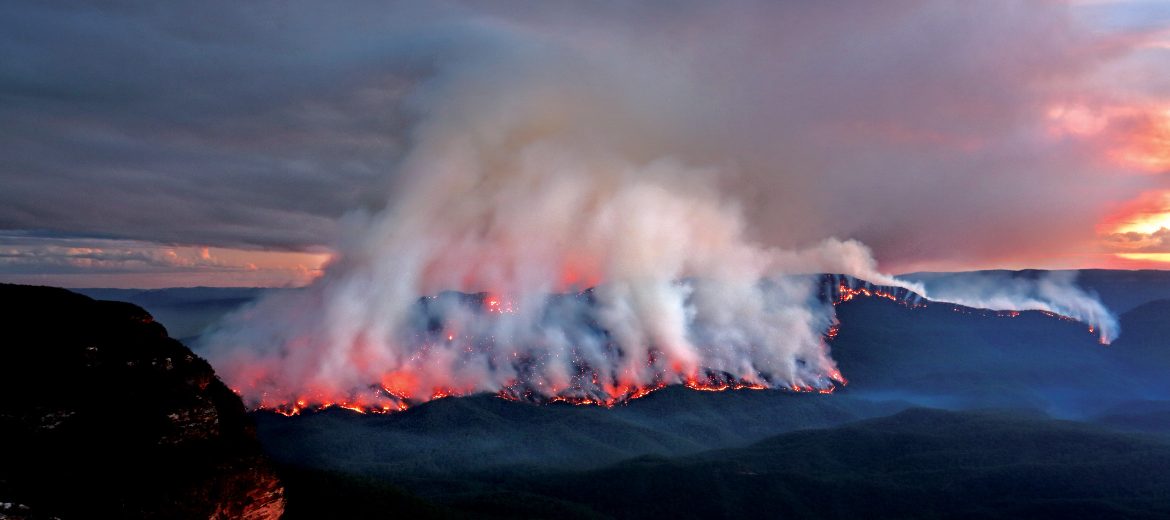
Bush fires

  • Supporting ongoing bush fire impact investigations – multiple
  • Understanding when to conduct hazard reduction burns to reduce the impact on sensitive native plants – RMIT
  • Development of fire resistant building materials from waste and fungus – RMIT
  • Creating fire-retardant paints now sold around the world – UAdel for First Graphene
  • Understanding the impact of bushfire ash on lung disease – UNSW
  • Testing cell therapy to treat smoke inhalation – USyd

Infectious diseases

  • Two COVID-19 vaccines in clinical trials – UQ/CSL & Vaxine/Sypharma/Merck
  • Broad spectrum flu and pneumococcal vaccines – Gamma Vaccines and GPN Vaccines at UAdel
  • More effective, non-inflammatory adjuvant to enhance a wide range of vaccines – Vaxine at Flinders
  • Nanopatch revolutionary dry-coated vaccine delivery patch heading into production – Vaxxas at UQ
  • Cryo-TEM, along with other methods, is helping to find new approaches to beating antibiotic resistance – ANU & Monash

Emergency medicine

  • MeTro, a modified elastin glue which is a faster, bio-compatible alternative to stitches for surgery and emergency medicine – USyd
  • Worlds smallest mobile X-ray units – easily transportable to emergency situations – Micro-X at UniSA & Flinders
  • Anti-bacterial and anti-inflammatory, anti-oxidant-coated bandages – UniSA
  • Helping industries pivot to making masks (Detmold) and developing new mask materials – UniSA & QUT
  • Wearable, disposable micro-sensors for real-time monitoring of seriously ill COVID-19 patients that are cheaper and faster than current methods, in clinical trials – WearOptimo at ANU

Safe water

  • Using metal-organic frameworks and sunlight to transform brackish water and sea water into safe, clean drinking water – Monash
  • Polymers made from waste can remove heavy metal and oil contaminants to clean up water and soil – Flinders
  • Reduced graphene oxide sponge to absorb water contaminants – ARC GEIT at UAdel
  • Nanostructured surfaces for oil/water separation – USyd

Drought & pests

  • Revealing how plants protect themselves during drought and how they rehydrate afterwards – ANU
  • Improving water retention and crop yield using waste biomass as biochar – UNSW
  • Developing technology to improve ironstone gravel soils to increase crop yields – GRDC at UWA
  • Understanding how parasitic nematodes hijack water and nutrients in wheat roots, improving crop yields – UAdel

Emergency power

  • Supercapitors made form jackfruit for more efficient, eco friendly batteries that could be used for emergency power supply – USyd
  • Flexible, transparent solar film that can be applied to many surfaces to produce energy even in low light – UQ
  • Multiple projects working to extract more energy from sunlight for more efficient solar – ANU & UNSW
  • Wearable flexible electronics that are powered by the body’s movement – RMIT

December 4, 2020